Your Professor Is Handing Out the Exam in Plain Sight: How to Read a Review Session
Photo: মোঃ সাকিবুল হাসান, CC BY 4.0, via Wikimedia Commons
Review sessions have a reputation problem. Students hear 'review' and picture a low-stakes lecture where the professor clicks through old slides and says, 'Let me know if you have questions.' So they sit in the back, write 'review session' at the top of a page, and leave with a vague sense that Chapter 7 matters.
But professors are often doing something closer to a controlled leak. They tell you what is on the test, what is not, and where they wish you would spend your weekend. The information is right there. Most students just are not listening for it.
The review session is a preview, not a recap
A regular lecture teaches material. A review session ranks it. The professor is making decisions in real time about what deserves your attention, and those decisions are the most valuable thing in the room. If you show up passive, you will collect a transcript of reminders. If you show up tactical, you will collect a study plan.
Before you walk in, build a five-question hit list
Open the syllabus and the exam study guide if you have one. Look at the learning objectives. Then write five questions you actually want answered. Keep them short and specific:
- Which topics will be tested as application versus definition?
- Will the exam include problems like the homework, or new ones?
- Which chapters carry the most weight?
- What is the format — multiple choice, short answer, blue book essay, Scantron?
- What is the most common mistake students make on this exam?
Bring the list on paper. A paper list keeps you from scrolling. It also gives you something to do besides nodding.
Sit where you can see the board and the face
Sit in the front third if you can. Not because the front row is magic, but because review sessions run on cues. You want to see what the professor writes, what they circle, and what they erase. You also want to see the face they make when someone asks about a topic they clearly think is a waste of time.
If the room is full, sit near the aisle and keep your list visible. The goal is access, not prestige.
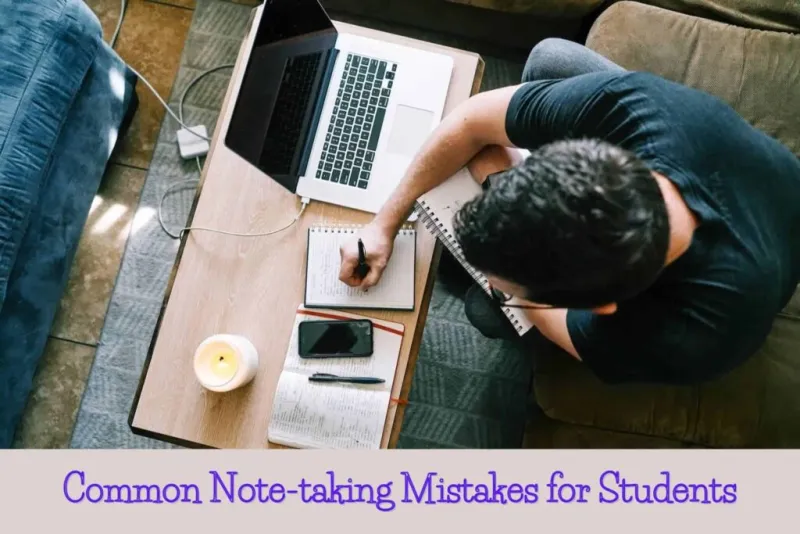
Take meta-notes, not transcript notes
This is the core move. Stop writing everything. Start tracking patterns. Use margin codes so you can sort fast later:
- R = repeated
- S = skipped
- I = explicitly ignored
- B = written on the board
- P = practice problem
- T = tone shift
When the professor says, 'This is fair game,' copy that phrase. When they say, 'Do not spend your time memorizing this,' copy that too and box it. When they skip a slide and say, 'We covered this already,' that is data. When they spend eight minutes on one practice problem, that is louder than any slide title.
Ask the question that saves you three hours
You do not need to be the student who monopolizes the session. You need one or two good questions. Try these:
- 'Will the exam ask us to apply this to a new scenario, or recognize the definition?'
- 'You mentioned section 8.3. Does that include the proof, or just the result?'
- 'For the free-response section, should we expect calculations or explanations?'
- 'If you were us, which three topics would you study first?'
- 'What is the most common mistake you see on this exam?'
Ask early. Professors often loosen up after the first real question, and the answers get more specific.
The 20-minute sort after the session
Do not go straight to dinner and let the session evaporate. Find a table. Make three columns: Must know, Should know, Ignore for now. Move every meta-note into one column. Then write tomorrow's study block based on the Must know column.
You are not making a beautiful study guide. You are making a priority list. The review session gave you the map. This is where you draw the route.
What if the professor will not give specifics?
Some professors keep it vague on purpose. Ask process questions instead: 'What would you do if you were us?' or 'Which concepts separate an A from a B?' If they still deflect, watch what they repeat and what they rush past. Repetition is a signal. Speed is a signal. Silence is a signal.
The bottom line
The review session is not a lecture. It is a treasure map, and the professor is drawing X's while everyone else takes generic notes. Sit close enough to read the X's, bring questions, and leave with a ranked list. That is how you walk out with the test instead of just a page of reminders.