Your Highlighter Is Lying to You: 5 GPA Killers Hiding in Plain Sight
Let's be blunt for a second: some of the study habits you're most loyal to are quietly dragging down your GPA. Not because you're lazy — because they feel productive while doing almost nothing for your memory.
Cognitive scientists have known this for decades. Students keep rereading, highlighting, and cramming anyway, because familiarity gets mistaken for mastery. Here are the five biggest offenders, plus what top students do instead. Every fix can start tonight.
1. Highlighting Everything
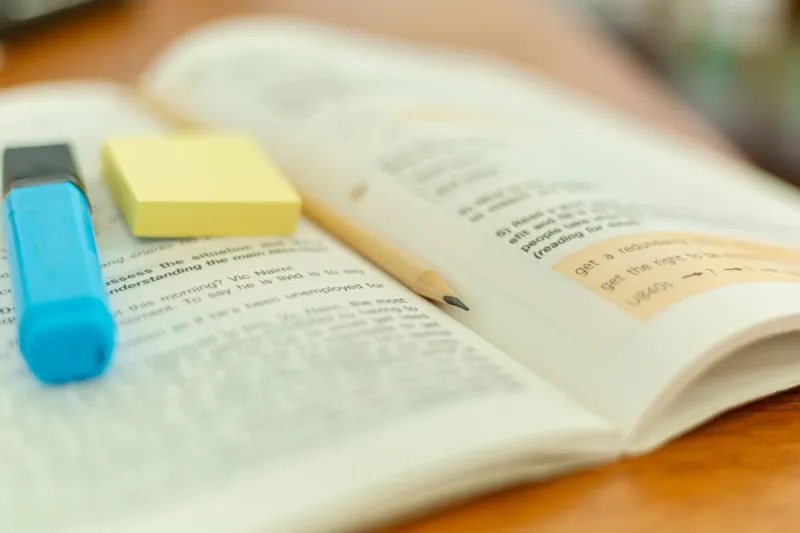
If your textbook looks like a crime scene, we have news: highlighting is one of the weakest study techniques ever tested. It requires zero recall. Your brain just recognizes the colored text later and says, 'Yep, seen it,' without ever storing it.
The fix: Turn every highlight into a question. Instead of marking 'mitochondria produce ATP,' write 'What do mitochondria produce?' in the margin. Now your highlights are a self-quiz instead of a coloring project.
2. Passive Rereading
Rereading notes is the most popular study method in America and arguably the least effective. Research consistently shows that rereading creates an 'illusion of fluency' — the material feels familiar, so you assume you know it. Then the exam asks you to produce it from scratch, and your brain blanks.
The fix: Retrieval practice. Close your notes and write out everything you remember, then check for gaps. Ten minutes of recall beats an hour of rereading. It's uncomfortable — and that discomfort is the sound of learning happening.
3. Marathon Cramming
Pulling an all-nighter before a midterm feels heroic. It's also scientifically terrible. Your brain consolidates memories during sleep, so an all-nighter trades long-term retention for a few extra hours of foggy review. Worse, cramming dumps everything into short-term memory, which evaporates right around the second question.
The fix: Spaced repetition. Spread the same total study time across several days — 30 minutes nightly instead of five hours the night before. Apps like Anki and RemNote automate the schedule, resurfacing material right before you'd forget it. Same effort, dramatically better retention.
4. Studying With Your Phone Face-Up
You already know this one, but the data is worth repeating: just having a phone visible — even off, even face-down — measurably reduces available working memory. Every buzz is a context switch, and research on task-switching suggests it can take your brain several minutes to fully refocus. Check your phone ten times in a study session and you've lost a chunk of an hour.
The fix: Physical distance. Put the phone in another room or lock it in your bag. Use 25-minute focus blocks (the Pomodoro method works fine) with phone-free breaks in between. You'll finish faster than you think.
5. 'Studying' in a Group Chat
Study groups can be great — or they can be two hours of comparing anxiety and re-explaining things everyone already knows. If your group session ends with everyone feeling good but nobody having recalled anything, it was a hangout with snacks.
The fix: Make groups do the work. Structure every session around practice problems or teaching: each person explains one topic from memory while the others poke holes. If you can't explain it without your notes, you've found your gap — which is the entire point.
The One-Night Experiment
Here's your challenge for tonight, and it takes 20 minutes: pick your hardest class, close your notes, and write down everything you remember from the last two weeks of material. No rereading first. Then check what you missed.
That list of misses? That's your actual study guide — the one highlighting and rereading were never going to give you. Do that three nights a week and watch what happens to your next exam.
Your GPA doesn't need a new you. It needs a new method — and now you've got five swaps you can make before bed.