The Soundtrack Is Stealing Your Sentences: A 10-Minute Study Audio Audit
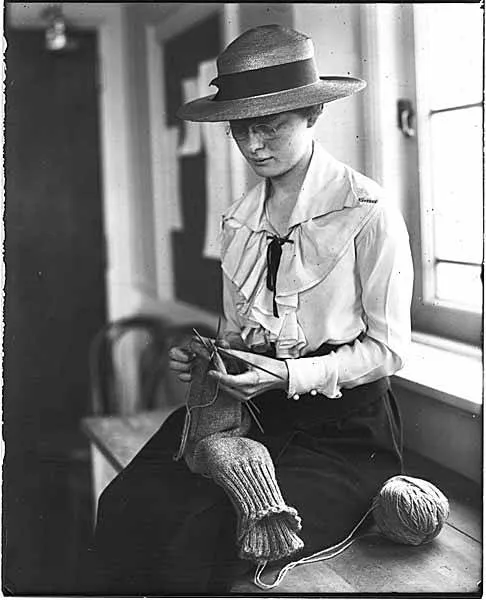
Photo: Unknown -will make enquiries as to the photographer., CC BY-SA 3.0, via Wikimedia Commons
There is a specific kind of confidence that comes from opening a study playlist, sliding on headphones, and pressing play. It feels like preparation. The room goes quiet, the drum fill kicks in, and you are pretty sure you are about to have the most productive night of the semester.
Sometimes that is true. Sometimes the playlist is a small, useful engine. But a lot of students are asking one audio setup to do two contradictory jobs. They want music to wake them up, keep them company, and make a boring task less boring — while also asking it to disappear behind dense reading, problem sets, and essay drafting. Those are not the same request. Your brain notices.
Why Lyrics Hit Reading and Writing So Hard
Reading and writing are language tasks. Even when you are not speaking out loud, your brain is doing quiet phonological work: matching letters to sounds, holding sentence fragments in working memory, and building meaning across a paragraph. Lyrics are also language. They arrive with words, syntax, and emotional cues, and they compete for some of the same machinery.
That does not mean lyrics are evil. It means they are not neutral. If you are skimming a familiar chapter or running flashcards you have seen ten times, a song with words might be fine. If you are reading a statute, a methods section, or a poem you need to annotate, lyrics can turn every paragraph into a small traffic jam. You read the same sentence three times and blame the textbook. The textbook may be innocent.
The 10-Minute Audio Audit
Do this before your next long study block. You need a timer, one hard task, and the playlist you actually use.
- Minute 1–2: Name the task. Write down what you are doing. Read Chapter 9 and take notes is different from drill 40 vocab cards. Be specific.
- Minute 3–5: Run silent. Work with no audio. Notice how quickly you enter the task and how often your attention jumps.
- Minute 6–8: Add your usual playlist. Same task, same chair, same timer. Notice whether your reading speed changes, whether you reread lines, and whether you start typing lyrics.
- Minute 9–10: Switch to one controlled change. Try instrumental music, white noise, or a fan. Compare. Write one sentence about what happened.
The point is not to find the one perfect playlist for all time. The point is to catch the mismatch. If your hard reading gets slower with lyrics, that is data. If a steady beat helps you push through a set of math drills, that is also data. Use it.
Match the Sound to the Job
A simple rule: the more language your task requires, the less language your audio should contain.
- Dense reading, essay drafting, note synthesis: silence, white noise, or ambient instrumental. No lyrics. No podcasts. No YouTube commentary.
- Routine drills, flashcard reps, handwriting practice: rhythmic instrumental can help you keep pace. Think lo-fi, light electronic, or classical with a steady tempo.
- Memorization with verbal rehearsal: silence is usually better. If you are saying terms out loud, you need to hear yourself.
- Admin tasks — emailing a professor, filing notes, checking a syllabus: almost anything is fine. This is not deep work.
A playlist is not a personality. It is a tool. Treat it like one.
The Silent Warm-Up
Here is the move that surprises people: start hard reading in silence for five minutes before you allow any audio. Not because silence is morally superior, but because it gives your brain a clean entry ramp. You hear your own inner voice form the first few sentences. You notice where the argument is going. Then, if you want background sound, add it underneath a task that is already moving.
The silent warm-up also exposes the real problem. If you cannot read for five minutes without music, the issue may not be the playlist. It may be that you have trained yourself to need a running soundtrack for every transition. That is worth knowing before finals week, not during it.
Build a Finals-Week Playlist That Does Not Pick Your Pocket
For December 2026, build two short playlists instead of one giant mood board.
Playlist A — Deep Work. Forty to fifty minutes of instrumental music with no sudden dynamic shifts. No movie scores that make you feel like you are defending a thesis in a rainstorm. You want steady, not cinematic.
Playlist B — Momentum. Upbeat instrumental for cleaning up notes, organizing flashcards, or moving between tasks. This is your transition music, not your reading music.
Then add one boring but powerful rule: if you catch yourself browsing for the perfect song, the playlist is now procrastination. Close the app. Go silent for ten minutes. The goal is not the perfect vibe. The goal is to reach your full potential on the task in front of you, and sometimes that means letting the soundtrack go quiet.
The Bottom Line
Your headphones are not a study strategy by themselves. They are an environment choice, and environment choices either lower the friction or add to it. Run the ten-minute audit. Protect your language-heavy work. Save the rhythm for the drills. A good playlist should make the work easier to hear yourself think. If it is louder than your own thoughts, it is doing the wrong job.