The Timer in the Corner Is Not Teaching You Anything: Using Study-With-Me Videos as a Body Double
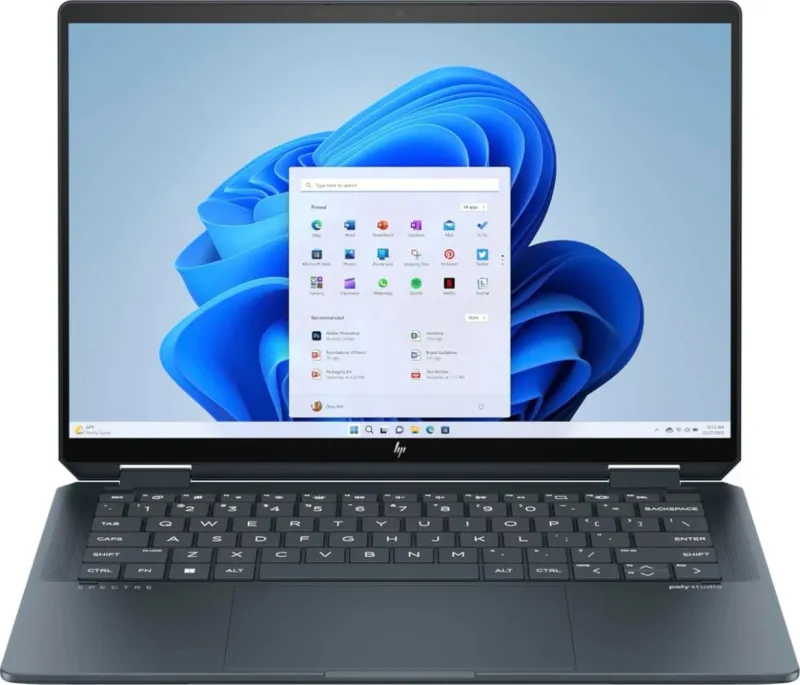
Photo: laptop playing study with me video with timer next to notebook and pencil, via www.dutchiee.tv
At 9:47 p.m., you find a study-with-me video with a rainy window, a wooden desk, and a stranger writing in a notebook. The timer in the corner says 50:00. You feel productive just watching it. That is the trap, and it is a pleasant one.
Study-with-me content works because it borrows a real feature of human attention: other people. When someone else is working nearby, starting feels less absurd. You are not the only person in the world trying to read a chapter at an hour when the group chat is alive. That is a legitimate use. But the genre has a second mode, and it is less legitimate: parasocial procrastination with a countdown clock.
The Quiet Magic of Someone Else Working
Researchers sometimes call this social facilitation, and students call it body doubling. The idea is simple. A calm person doing the thing you need to do makes the thing feel more possible. You match their posture. You hear the page turn. Your own timer starts.
For students who study alone in a dorm, an apartment, or a very quiet house, that can be genuinely useful. It is especially helpful for the first ten minutes, which is where most study sessions die. The video does not teach you organic chemistry. It just makes the chair easier to sit in.
When the Stream Becomes the Activity
The problem starts when the video becomes the point. You spend eight minutes choosing between cozy library rain and late-night dorm desk. You read the comments. You adjust the volume. You notice the creator has a new playlist. You have now been studying for twenty minutes and have written zero words.
There is also the parasocial drift. You start wondering about the person in the video. What are they studying? Why did they switch notebooks? Are they okay? None of that is recall. None of it is practice. It is company, and company can be lovely, but company is not a study method.
The test is simple: at the end of the session, can you point to something you produced? A page of notes, a set of solved problems, a paragraph, a flashcard deck you actually reviewed? If the answer is no, the timer was decoration.
Pick a Length, Not a Vibe
Do not choose a study-with-me video by thumbnail. Choose it by length and structure.
- For starting: a 25-minute video with a clear timer and minimal talking. You are borrowing a body, not a lecture.
- For a full block: a 50-minute video with a five- or ten-minute break built in. That mirrors a realistic study cycle and gives you a stopping point.
- For a low-energy day: a 15-minute video. Lower the bar until you can step over it. You can always start a second one.
Avoid videos with long intros, constant chat interaction, or dramatic background music that pulls your attention. You want a room, a desk, and a timer. That is it.
Phone Away, Camera On
Two rules make the body double work.
Phone away. Not face down on the desk. Away. In a drawer, in a backpack, in another room if you can manage it. The stream is already on your laptop or tablet, so you do not need a second screen feeding you notifications. If you need the video for company, the phone is not part of the plan.
Camera on — or at least a visible workspace. Put your phone or laptop camera where it can see your hands, your notebook, and the page you are working on. You do not have to record yourself. You just need the mild accountability of a visible desk. When your hand reaches for the phone, the camera sees it. That tiny bit of visibility is often enough to stop the reach.
Use the Body Double to Start, Then Take Over
The healthiest way to use a study-with-me video is as a starter motor. Press play, set your own task, and work alongside the stranger for one block. Then close the video and keep going for ten minutes on your own. That last part matters. You are training yourself to transition from borrowed company to independent focus.
If you cannot do the ten minutes alone, that is useful information. Maybe the task is too vague. Maybe you are tired. Maybe you need to break the reading into smaller pieces. The video is not the problem. It is a signal.
A 25-Minute Test Drive
Tonight, try this: pick a 25-minute study-with-me video with no talking. Write one specific task on a sticky note. Put your phone in a drawer. Angle your camera at your desk. Press play. Work until the timer ends. Then close the video and work for ten more minutes without it.
At the end, write down what you finished. If you finished more with the video than without it, keep it in the rotation. If you spent the session browsing thumbnails, cut it loose. The timer in the corner is not your teacher. It is a borrowed body in the room. Use it to get seated, then do the learning yourself.