Stop Reading the Textbook Like a Novel: The Pre-Lecture Flip That Actually Sticks

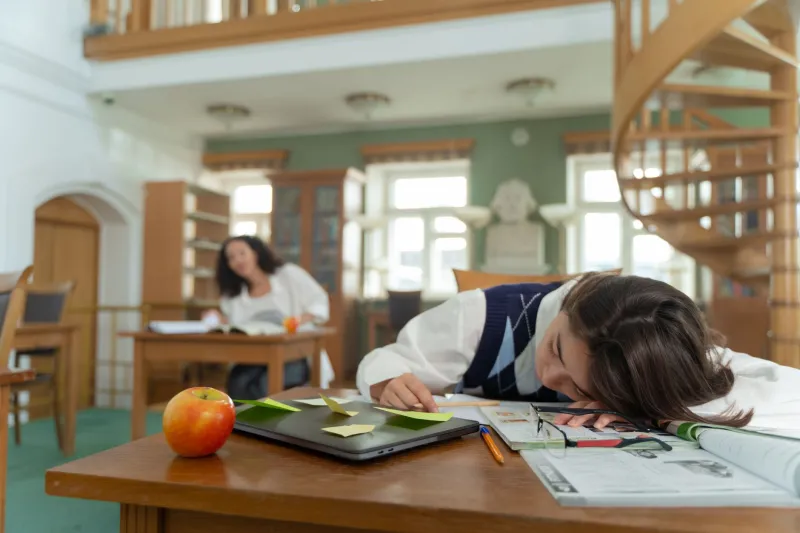
Picture the scene: it's 11 PM in your dorm or apartment, the lecture was confusing, and the chapter is 32 pages long. You open the book, start at page one, and read. You highlight. You re-read the highlighted stuff. Two hours later you close the book, and tomorrow you remember almost nothing.
Sound familiar? Here's the uncomfortable truth: that's not studying. That's reading with a highlighter. And the research on learning has been saying so for decades.
Why Front-to-Back Reading Fails You
Psychologists call it the fluency illusion. When you re-read a chapter, it feels familiar — and your brain mistakes that familiarity for knowledge. But familiarity isn't the same as recall. When the exam asks you to pull the information out of thin air, there's nothing there.
Passive reading is one of the weakest study methods ever measured. Retrieval practice — actively pulling information out of your head — is one of the strongest. So the fix isn't reading harder or longer. It's flipping the whole sequence.
Step 1: Preview Before Lecture (10 Minutes, Seriously)
Before your professor covers a topic, spend 10 minutes skimming the corresponding chapter. Not reading — skimming. Here's what that looks like:
- Read the chapter title, headings, and subheadings
- Look at the figures, graphs, and bolded terms
- Read the chapter summary or learning objectives
- Glance at the end-of-chapter questions
That's it. You're not trying to learn anything yet. You're building a mental map — a scaffold. Now, when your professor lectures, you're not hearing everything for the first time. You're connecting new information to a framework that already exists, which is exactly how memory consolidation works.
It's the same reason you watch the highlight reel before watching the full game. The context makes everything land harder.
Step 2: Attend Lecture, Then Attack
After class, resist the urge to crack the book open and read. Instead, open it to the end-of-chapter questions and try them cold. Yes, before you've read the chapter.
This will feel awful. It's supposed to. That uncomfortable struggle to answer a question you half-remember from lecture? That's retrieval practice — the single most powerful learning tool in the research literature. Every failed attempt primes your brain to absorb the answer when you finally go find it.
Step 3: Read With a Target, Not a Highlighter
Now you read — but differently. You're no longer reading front-to-back hoping things stick. You're hunting. Every question you bombed in Step 2 becomes a search mission: find the passage that answers it, understand it, and close the book.
Then answer the question again, from memory, in writing. One sentence is fine. This closes the loop: attempt, fail, locate, retrieve, confirm. That loop is where learning actually happens.
The Weekly Textbook Routine
Here's the whole system in one printable snapshot:
Before each lecture (10 min):
- Skim headings, figures, summary, and end-of-chapter questions
- Write down two things you expect the lecture to cover
During lecture:
- Take notes in your own words, not the professor's
- Star anything that connects to what you previewed
Within 24 hours (20 min):
- Attempt end-of-chapter questions cold
- Search the chapter only for what you missed
- Answer missed questions again from memory
End of week (15 min):
- Re-attempt the questions from every chapter that week
- Anything you still miss goes on a flashcard or your review sheet
Total added time: about 45 minutes per class per week. Total pages of passive reading eliminated: most of them.
But My Professor Gives Reading Quizzes
If your course has reading quizzes due before lecture, the system still works — just run Step 1 as a deeper skim and lean on the chapter summary and bolded terms. The quiz becomes a built-in retrieval practice session, which, again, is the thing that actually works. The quiz was never the enemy. The 2 AM reread was.
The Bottom Line
The full mark isn't earned by whoever suffers through the most pages. It's earned by whoever trains their brain to retrieve. Flip your textbook habit — preview before, attack after — and you'll spend less time with the book open and more time actually knowing the material. That's not a study hack. That's how the top of the class has been doing it all along.